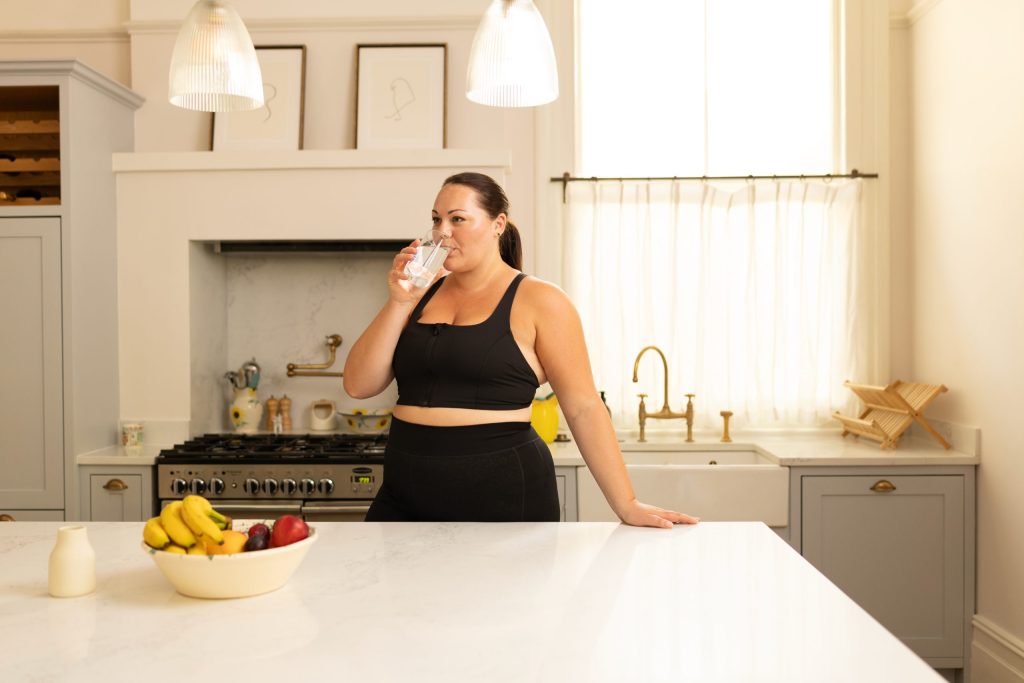
Water might feel ordinary, but it is one of the most powerful tools you have. Around 60 per cent of your body is made up of water. It cushions your joints, regulates temperature, carries nutrients where they need to go and helps clear away waste. Every single cell depends on it.
When you are working towards weight loss, hydration becomes even more important. And if you are taking a GLP-1 weight loss treatment, it plays an essential role. These treatments slow down how quickly food leaves your stomach and reduce appetite and while that helps with weight loss, it can also make dehydration more likely.
Not drinking enough can add to side effects such as constipation, headaches, nausea or fatigue. Staying on top of your hydration helps your body handle the treatment more comfortably, keeps digestion moving and supports steady energy levels day to day.
How much water is enough?
Most adults do well with around two to three litres of fluids each day. You do not need to measure every drop, a simple guide is to keep an eye on the colour of your urine. If it is a pale yellow, you are likely drinking enough.
If aiming for two to three litres feels overwhelming, try breaking it down. Spreading your fluids across the day with small, regular sips is usually easier on your stomach, and it can also help if you are feeling queasy in the early weeks of treatment.
Simple ways to build the habit
Making water part of your day does not need to be complicated. With a couple of simple tweaks, it can slot naturally into your routine:
- Begin your morning with a glass of water before tea or coffee
- Keep a reusable bottle with you so it is always within reach
- Pair drinking water with everyday routines, like brushing your teeth or before meals
- Add lemon, cucumber, mint or berries if you prefer a little flavour
- Use sugar-free squash for variety, but keep it well diluted and avoid added sugars
Staying hydrated when it is cold outside
It is often harder to stay hydrated in the colder months. Dry indoor heating and cold air both reduce moisture, and it is easy to miss your body’s thirst signals. If you struggle in winter, try:
- Warming up with herbal teas such as chamomile or peppermint
- Adding clear soups or broths to meals
- Keeping a water bottle by your desk or bed as a reminder
- Setting small prompts on your phone or using a hydration app to nudge you throughout the day
Why water matters even more on GLP-1 treatment
Supporting digestion
Because GLP-1 treatments slow digestion, stools can become drier and harder to pass. Water helps soften them and keeps bowel movements more regular, making day-to-day comfort easier.
Boosting metabolism
Water supports the process of breaking down fat and transporting nutrients, helping your metabolism run more smoothly so your body can use energy efficiently.
Reducing bloating
When you are well hydrated, your body does not feel the need to hold on to excess fluid. This often means less puffiness, swelling or bloating.
Calming appetite
Thirst and hunger can feel very similar. Drinking water before meals can help you recognise true hunger cues and reduce the urge to snack.
Supporting energy and focus
Even mild dehydration can leave you feeling flat, foggy or headachy. Staying hydrated helps keep your energy steadier and your concentration sharper throughout the day.
A small habit with a big impact
Making hydration part of your routine is one of the simplest ways you can support your body, ease side effects and give your treatment the best chance to work well.
And you do not have to figure it out alone. At CheqUp, our Health Coaches are here to help you find strategies that suit your lifestyle, whether that is setting achievable daily goals, adjusting for colder months or simply making water feel more appealing.
Hydration may be a small daily choice, but it is one that can make a real difference to your comfort, your progress and your long-term success.