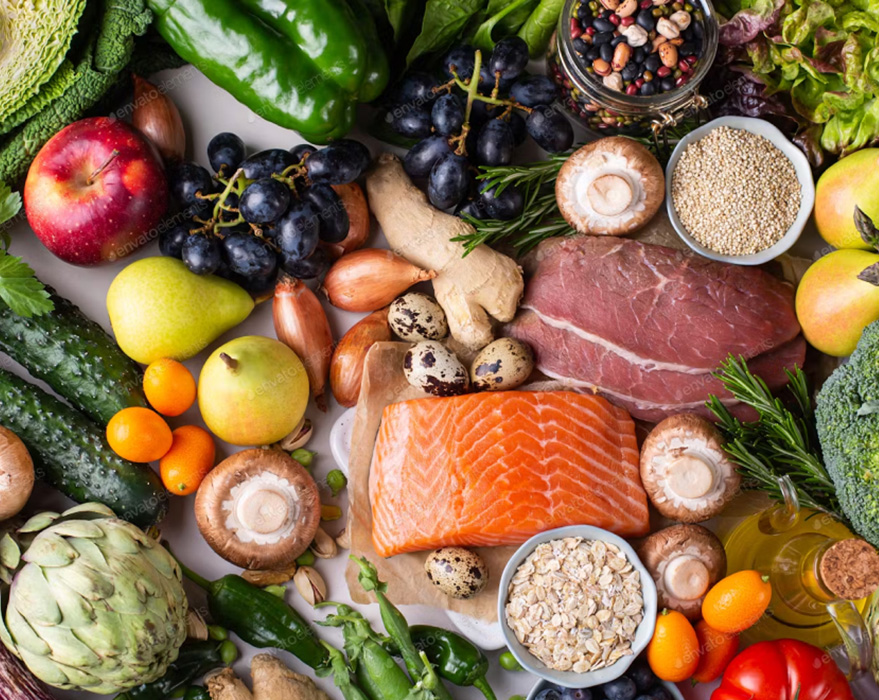
What is a healthy meal and what does nutrient dense mean?
Nutrient dense foods are those that are rich in vitamins, minerals and other nutrients important to our health.
They also don’t have too much saturated fat, added sugars and salt. Nutrient density is the amount of nutrients you get for the calories consumed.
Tips to make healthy meals
1. What to put on your plate
- Vegetables: Include a variety of colourful vegetables such as leafy greens (spinach, kale), cruciferous vegetables (broccoli, Brussels sprouts), and colourful veggies (carrots, bell peppers).
- Fruits: Opt for whole fruits that are rich in vitamins, minerals, and fibre, such as berries, apples, oranges, and bananas.
- Whole Grains: Choose whole grains like quinoa, brown rice, oats, and whole wheat products which provide fibre, vitamins, and minerals.
- Proteins: Include lean proteins such as poultry (chicken, turkey), fish (salmon, tuna), legumes (beans, lentils), tofu, and lean cuts of beef or pork.
- Healthy Fats: Incorporate sources of healthy fats like avocados, nuts (almonds, walnuts), seeds (chia seeds, flaxseeds), and olive oil.
2. Balance macronutrients to make healthy meals
Ensure each meal should contain a balance of carbohydrates, proteins, and fats:
- Carbohydrates: Provide energy and include whole grains, fruits, and vegetables. (Think wholegrain pasta, whole-grain bread, brown rice, sweet potato etc)
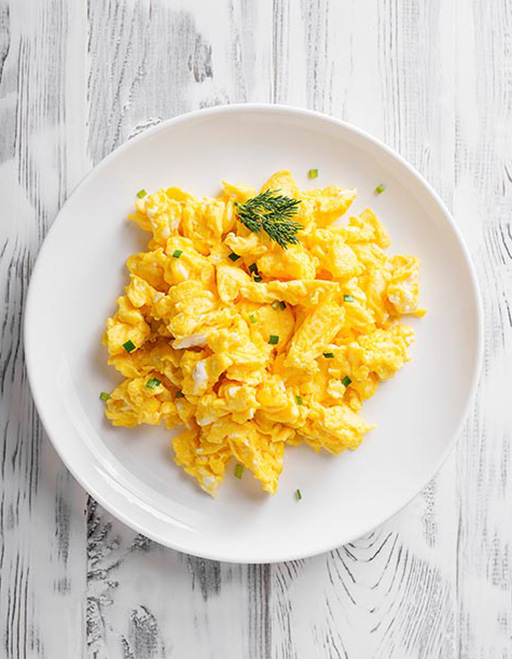
- Proteins: Support muscle growth and repair and include lean meats, fish, eggs, and plant-based proteins. Protein is especially important when on weight loss medication.
- Fats: Essential for hormone production and include sources like avocados, nuts, seeds, and olive oil.
3. Portion Controls
- Use portion control to prevent overeating and maintain a healthy weight.
- Aim for balanced portions of each food group on your plate: half should be vegetables, a quarter lean protein, and a quarter whole grains or starchy vegetables.
4. Meal Planning and Prepping
- Plan Ahead: Create a weekly meal plan including breakfast, lunch, dinner, and snacks.
- Prep Ingredients: Wash, chop, and prepare ingredients ahead of time to make cooking easier during busy days.
- Batch Cooking: Cook large batches of grains, proteins, and vegetables that can be used for multiple meals throughout the week. Stock up on reusable freezer bags to maximise space in the freezer.
5. Include Variety and Seasonal Foods
- Incorporate a variety of healthy foods to ensure a wide range of nutrients.
- Choose seasonal produce, when possible, for freshness and flavour.
6. Hydration
- Include plenty of water throughout the day to stay hydrated and support overall health.
7. Limit Processed Foods and Added Sugars
- Minimize processed foods, sugary snacks, and sugary drinks that offer empty calories and little nutritional value. If in doubt, clear out the cupboard / donate to a food bank and replace with healthier alternatives.
If your kids have a snack cupboard, try and resist the temptation to eat their snacks!
8. Snack Wisely
- Choose healthy nutrient dense snacks like fruit, nuts, yogurt, or vegetables with hummus. You’d be amazed how effective these snacks can be at satisfying your appetite in between meals.
- Make those changes to support your Mounjaro journey and to establish sustainable habits.
| Out | In |
|---|---|
| White bread, rice, pasta | Whole grain pasta, whole-wheat bread, brown rice |
| Fizzy drinks, fruit juices and squash | Water, herbal teas and infusions |
| Flavoured yoghurts | Greek yoghurt, natural kefir or yoghurt plus berries |
| Cereals e.g. cornflakes, rice krispies, sugar coated cereals | Overnight oats, weetabix, shredded wheat (plus added protein, like a sprinkle of seeds) or no sugar muesli |
| Crisps and baked snacks | Nuts e.g. Almonds, walnuts, mixed nuts |
| Jam on toast | Avocado or tomato or nut spread |
| Processed meats | Fresh chicken, turkey, canned tuna, salmon, sardines and eggs |
| Chocolate, sweets and cakes | Small quantity unsalted nuts, homemade protein balls, 70% dark chocolate with nuts |
| High fat salad dressings and sauces | Low fat or fat free, homemade |