Hitting a weight loss plateau can feel disheartening, especially when you’ve been sticking to a healthy diet and taking your medication as advised. However, this stage is very common as most people experience it at some point in their journey. The important thing is to see it not as a setback but as a signal that your body is adapting and it’s time to make a few changes.
What is a weight loss plateau?
At the beginning of a weight loss journey, it’s common to lose weight quickly. This often happens because your body uses up its stored energy (called glycogen), which also causes you to lose water. As your weight loss journey continues and body fat decreases, your metabolism naturally slows down. This means you burn fewer calories at rest and what once worked may no longer lead to continued weight loss.
It’s helpful to view a plateau as a checkpoint as it’s a good opportunity to reassess, make small adjustments and carry on progressing.
Build muscle to increase your calorie burn
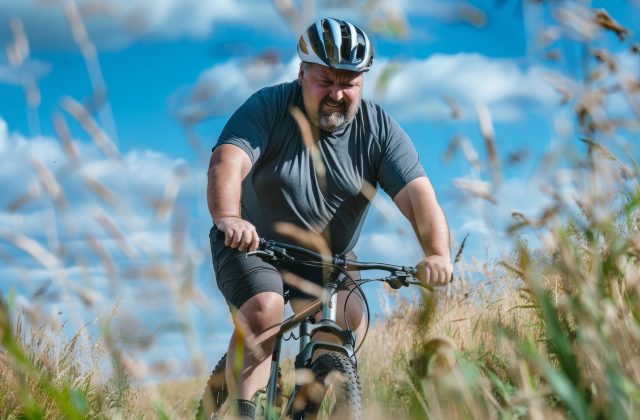
One of the most effective ways to push past a plateau is to build muscle. Many people assume cardio is the most important exercise for weight loss but muscle growth plays a crucial role too. Muscle tissue burns more calories at rest than fat, so increasing your muscle mass can help support ongoing fat loss.
Incorporating strength training exercises such as resistance bands, squats, lunges or push-ups two or three times per week can make a meaningful difference. Over time, you’ll improve your overall body composition and boost your metabolism. A Health Coach can guide you through exercises that suit your ability and goals.
Boost protein intake to support muscle and appetite control
Protein is a key nutrient when it comes to breaking a plateau. Not only does it help preserve muscle mass but it also takes more energy to digest compared to fats and carbohydrates. This can slightly increase the number of calories your body burns each day. Protein also keeps you feeling full, which may reduce snacking or the need for larger portion sizes.
To optimize your protein intake:
- Including sources like chicken, eggs, fish, tofu,Greek yoghurt and legumes
- Aiming for 20–30 grams of protein per meal (depending on your weight and activity levels)
- Adding protein-rich snacks like a handful of nuts or a shake if needed
A Health Coach can help you find easy and enjoyable ways to fit more protein into your daily routine.
Look beyond the scales
The scales only tell part of the story. It’s common for weight to stay the same while your body continues to change in positive ways. Here are some other ways to track progress:
- Take body measurements around the waist, hips, thighs and arms
- Look at progress photos every few weeks
- Pay attention to how your clothes fit
- Reflect on energy levels, sleep quality and mood
These non-scale indicators often show you’re still on track, even when the scales don’t reflect it.

Other useful strategies
If you’ve already made changes to your workouts and diet, a few additional steps may help:
- Move more throughout the day. For example, walk between meetings or use the stairs instead of taking the lift.
- Try a different type of exercise, such as swimming or HIIT to challenge different muscle groups
- Drink plenty of water as being dehydrated can slow your metabolism
- Aim for seven to nine hours of sleep each night
- Find small ways to reduce stress, such as practising mindfulness or short walks
Final thoughts
Plateaus are part of the process and can be frustrating. With a few smart adjustments and continued support from your Health Coach, you’ll soon start moving forward again. If you haven’t met with your Health Coach, you can book a 1:1 video call today.